Psychogenic nonepileptic events are episodes where someone might suddenly shake, pass out, call out, cry, or stare blankly. They may not respond to others around them. The event may last just a few minutes or much longer. Although the motions may look similar to a seizure, a psychogenic nonepileptic event is not a type of seizure.
Psychogenic nonepileptic events (also called functional/dissociative seizures) are the body's way of reacting to emotional pain or stress. They are real events for the person experiencing them, not faked or able to be controlled.
Treatment usually includes therapy with a mental health provider, stress management, and sometimes medicine. With treatment and your support, the events may happen less often or even go away altogether.

When your child has an event:
- Move them away from any steps, sharp objects, or areas of possible danger.
- If they are on the ground, put something soft under their head (such as a pillow or a jacket).
- Once you have made them safe, step back and don't touch them. Do not hold them down or try to stop the movements. Do not put anything in their mouth.
- Stay close by and try to create a calm, quiet space. Tell them they are safe.
- When the event is over:
- Offer calm reassurance to your child that they are OK.
- Encourage them to go back to their regular activities.
- Write down when the event happened, how long it lasted, and what your child was doing when it started.
Share the information about how to care for your child during an event with your child's teachers, school nurses, and coaches. If your child spends a lot of time at a friend's house, talk to the friend and their parents so they know what to do if an event happens. Be sure everyone understands this isn't a seizure.
Follow your healthcare provider's recommendations for:
- Giving any medicines. Some children will need medicine to treat the anxiety, depression, or post-traumatic stress disorder (PTSD) that leads to the events. Seizure medicines don't help patients with psychogenic nonepileptic events.
- Taking your child to a mental health provider (such as a psychiatrist and/or psychologist). The specialist can help your child manage strong feelings and give them ways to recognize when an event is coming on so they can avoid it.
- Taking your child to see a neurologist (a doctor that specializes in problems with the brain and spinal cord) and going for any testing to ensure that they are not having seizures.
- Making videos of the events.
- Allowing your child to drive.
General Care
- Help your child and everyone in the family understand that these events are real and can't be controlled by your child.
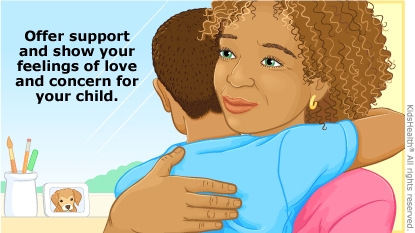
- Offer your support and show love for your child. Depending on what your child is comfortable with, this might mean giving them a hug, spending time together, or listening to their feelings. Remind them that you know it's not their fault and that they aren't going through this alone.
- Help your child develop ways to prevent and deal with stress, anxiety, and feeling overwhelmed, such as:
- Meditation or yoga
- Mindfulness and relaxation exercises
- Having someone they can call or text
- Support your child's overall well-being by encouraging them to:
- Get physical activity every day.
- Get enough sleep.
- Eat healthy foods.
- Be aware that too much screen time may increase their stress.
- Balance school and work activities with enough time to relax/recharge.
- Choose friends who are supportive and understanding of their condition.

How are psychogenic nonepileptic events different from seizures? Someone having a psychogenic nonepileptic event may look like they are having a seizure, but the abnormal electrical activity in the brain that happens during a seizure doesn't occur during a psychogenic nonepileptic event. Some people with psychogenic nonepileptic events also have seizures or have had them in the past.
What causes psychogenic nonepileptic events? The cause isn't fully understood, and sometimes no clear cause is found. Some things that may play a role in psychogenic nonepileptic events include:
- Long-lasting stress or anxiety
- History of trauma, such as abuse or being around violence
- Sudden loss, such as a death in the family
- Other mental health conditions, such as an anxiety disorder, PTSD, or depression
- Certain biological changes in the brain
What other problems can someone with psychogenic nonepileptic events have? They may also experience depression, anxiety, and panic attacks.