
Your child has had a mild allergic reaction. Signs of a mild allergic reaction can include hives (red bumps on the skin), itching, a rash, watery eyes, and swelling under the eyes. Medicines usually help kids feel better, even when the cause of an allergic reaction isn't known.
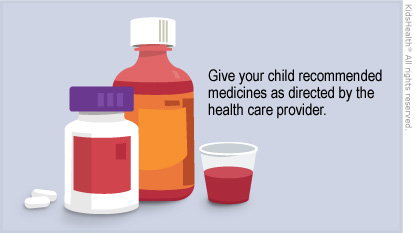


Your child:
Be sure to call your healthcare provider if you or your child have any questions about treating allergic reactions.

Your child has signs of a serious allergic reaction, such as:
If you were prescribed epinephrine for your child, use as directed by your healthcare provider.

What causes an allergic reaction? Allergic reactions are sensitivities to things called allergens. Common allergens include dust mites, pets, insects, foods, plants, molds, and medicines.
In an allergy, the body mistakes allergens for germs. When someone with an allergy breathes in, swallows, or touches an allergen, the body tries to “defend” itself by releasing chemicals, including histamine. This can lead to rashes, hives, and other allergic symptoms. It can take a few minutes to a few days to see signs of a reaction. Some allergens, like foods, can cause a mild allergic reaction one time, and a severe allergic reaction another time.
What medicines are used to treat a mild allergic reaction? Healthcare providers often use antihistamines, a kind of medicine that blocks histamine (the substance in the body that causes rashes and other signs of an allergy). They will prescribe epinephrine if they think a child could have a severe allergic reaction in the future.

