Your child had an allergic reaction to an insect sting (from a bee, wasp, hornet, or fire ant). Reactions can be mild (like swelling or itching) or severe (called anaphylaxis).
Anaphylaxis is life-threatening. The reaction can cause trouble breathing, swelling, or other serious symptoms. It must be treated right away with a medicine called epinephrine.
Here's how to care for your child.

Medicines:
- Know the signs of an allergic reaction and when to use epinephrine.
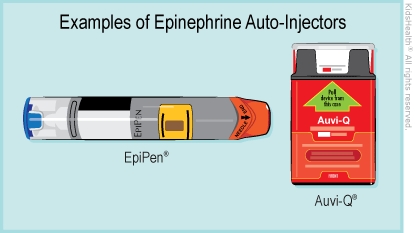
- Epinephrine is given using an auto-injector (such as EpiPen® or Auvi-Q®) or nasal spray (neffy®). Ask your healthcare provider which is right for your child.
- Ask for a written allergy action plan that explains when and how to give epinephrine. Share it with your child's school nurse and anyone else who will be caring for your child.
- Your child should always have epinephrine with them (at home, school, and activities).
- Check expiration dates. Also, do not leave epinephrine in cars or out in extreme temperatures.
- Ask if your child should also carry other medicines, such as:
- An antihistamine (like Benadryl®)
- An asthma inhaler (if prescribed)
General information:
- If your child has itching or swelling from the sting, put ice in a plastic bag wrapped in a towel on the area for 15 minutes a few times a day.
- Make an appointment for your child to see an allergist (a doctor who specializes in allergies and allergic reactions). The allergist may recommend testing to learn more about the reaction and to help find the best treatment for your child. Sometimes, allergy shots are recommended to help prevent severe reactions in the future.
- Make any other follow-up appointments as directed.
- Have your child wear a medical alert bracelet that says what they are allergic to. You can buy one online or at a pharmacy without a prescription.
If your child gets stung again:
- Move them away from the insect immediately.
- Remove the stinger if visible (scrape it out; do not squeeze).
- Clean the area with soap and water.
- For mild reactions:
- Put ice in a plastic bag wrapped in a towel on the area to help with itching and swelling.
- Give an antihistamine if recommended.
- Watch your child closely for any worsening symptoms.
- Follow the allergy action plan every time.

- You have questions about using epinephrine or other medicines
- Your child has a mild allergic reaction, including:
- Hives (red, itchy bumps)
- Skin redness or swelling
- Itchy eyes or runny nose
- Mild cough
- Symptoms do not improve or are getting worse
IMPORTANT: If your child has more than one mild symptom or symptoms are worsening, treat it as a severe reaction (see below).

Your child has any signs of anaphylaxis (severe allergic reaction):
- More than one mild symptom
- Symptoms are getting worse quickly
- Swelling of lips, tongue, or throat
- Trouble breathing, wheezing, or chest tightness
- Trouble swallowing or speaking
- Belly pain, vomiting, or diarrhea
- Dizziness, fainting, or weakness
- Feeling that something bad is about to happen
What to do:
- Give epinephrine right away.
- Call 911 (or have someone call).
- Lay your child flat with their legs raised (if possible).
- Give a second dose of epinephrine if symptoms do not improve or return.
- Start CPR if your child stops breathing or loses a pulse.
Your child must go to the ER after getting epinephrine, even if they feel better. Symptoms can return.

What causes the symptoms of an allergic reaction? When someone with an allergy comes into contact with what they are allergic to, their body mistakenly thinks it's dangerous and fights against it. This causes an allergic reaction.
How can I help my child avoid getting stung again? It can help to:
- Have your child wear shoes when outside.
- Avoid areas with insects (flower beds, trash cans, open food/drinks outdoors).
- Do not let your child drink from uncovered cans or straws outside.
- Use caution around:
- Picnic areas
- Garbage cans
- Pools or playgrounds with food nearby
- Dress your child in light-colored clothing (such as white, beige, khaki, pastel yellow, soft gray, and light blue outfits) that don’t have patterns on them. Bright colors and patterns can attract insects.
- Avoid scented lotions, perfumes, or hair products that may attract insects.
- Teach your child to stay calm and move away slowly if an insect is nearby.
Can my child have a more serious allergic reaction the next time they are stung? Yes. A child who had a mild reaction in the past can have a severe reaction in the future.
Will my child always be allergic? Some children remain allergic long term. An allergist can help determine risk and treatment options.
Are there treatments to reduce the allergy? Yes. Allergy shots (venom immunotherapy) may reduce the risk of severe reactions.