Breast milk gives babies the nutrition they need and offers health benefits for both mother and child.
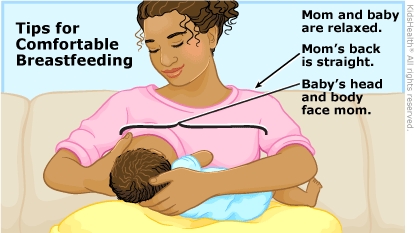
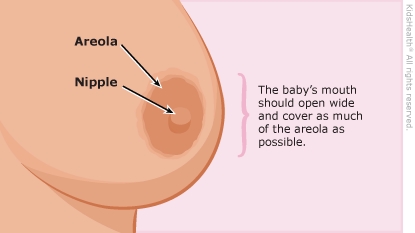
Breastfeeding is natural, but it can take practice for you and your baby to feel comfortable. Here are some tips that can help.
Other important information:
- Your baby is getting enough breast milk if they:
- Have six or more wet diapers a day
- Have four or more yellow, seedy poops per day, usually one after each feeding. After about a month, babies poop less often and many may go a few days without pooping.
- If you want to use a pacifier or a bottle, wait until your baby is breastfeeding well, which usually takes 3–4 weeks.
- Breastfed babies should take vitamin D drops (400 international units) every day. Vitamin D helps build bones, and breast milk has very little vitamin D.
Take care of yourself:
- Drink a glass of water with every feeding and more throughout the day.
- Take your prenatal vitamins as your healthcare provider recommends.
- Don't take any medicines or herbal products without talking to your healthcare provider first.
- Don't drink alcohol or use drugs. They can get into your milk and cause health problems for you and your baby.

How does breastfeeding help both mothers and babies? Breast milk is a great source of nutrition for babies and helps prevent certain infections, such as asthma (breathing problems), type 1 diabetes (when the body can't use sugar normally), and SIDS (sudden infant death syndrome, or crib death). For mothers, breastfeeding can reduce the risks of breast and ovarian cancer and high blood pressure, among other health benefits. It also provides a source of comfort and bonding for both mother and baby.
I am finding breastfeeding hard. Where can I get help? Breastfeeding takes time and practice. If you feel down or sad, or if you have trouble taking care of your baby, talk to your healthcare provider about getting help. A lactation consultant or a mother's support group also can offer support and help with breastfeeding.
You can get help online at:
How long should I breastfeed my baby? Every family is different, and the answer depends on what works for you, your baby, and your circumstances. Any amount of breast milk has benefits. Experts recommend:
- Giving your baby only breast milk (no other foods or liquids) for the first six months of life.
- Starting your baby on solid foods around 6 months of age and continue breastfeeding until your baby is at least 1 year old.