
The nasal spray flu vaccine can help protect your child from getting the flu, which can make children very sick. For the best protection, your child should get a flu vaccine every year in the fall.
After getting the nasal spray flu vaccine, some kids have mild side effects for 1 or 2 days, like a runny nose, headache, achiness, a sore throat, or a slight fever. These reactions aren't as bad as the flu, which can make people sick for as long as 2 weeks and can have serious complications.

Follow your healthcare provider's recommendations for:
After getting the nasal spray flu vaccine, there is a very small chance that your child could spread the flu to someone with a weakened immune system. If there's someone at home with a weakened immune system, talk to your healthcare provider about how long your child should stay away from them.

Your child develops wheezing or a cough.

Your child has signs of a serious allergic reaction, such as hoarseness, trouble breathing, hives, swelling of the face, paleness, or feeling very weak or dizzy.

Who should get a nasal spray flu vaccine? The nasal spray flu vaccine works equally as well as the flu shot, and can be given to healthy children over 2 years old. It shouldn't be given to children with some medical conditions.
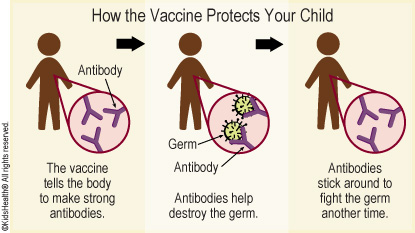
How does the nasal spray flu vaccine help protect my child against the flu? Your body responds to the nasal flu spray vaccine by creating antibodies that start working about 2 weeks after you get the vaccine. Antibodies are special proteins that lock on to germs to keep a person from getting sick. These antibodies help protect your child during flu season.
Can the nasal spray flu vaccine give my child the flu? No, your child cannot get the flu from the nasal spray flu vaccine. But the nasal spray flu vaccine doesn't prevent every strain of flu. Kids who come in contact with a strain of flu that is not in the vaccine may become ill even though they had the nasal spray flu vaccine.

