
Your child has an allergy to latex. Latex is a natural rubber material made from the sap of rubber trees.
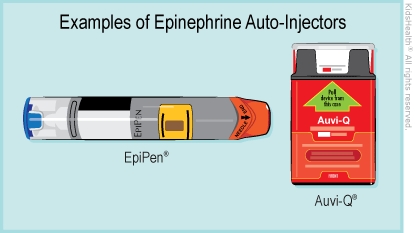
If your child touches latex or breathes in latex particles, they may get mild symptoms like hives (red, itchy bumps) or severe symptoms. A severe allergic reaction is called anaphylaxis. Anaphylaxis can cause trouble breathing and other life-threatening symptoms. It is treated with an epinephrine injection.
Here's how to care for your child.


Your child has one of these signs of a mild allergic reaction:
If your child has more than one of these mild signs, or a mild sign is getting worse, give epinephrine and call 911 (see below).

Your child has any signs of a severe allergic reaction, such as:
Follow these steps:
Your child needs to go to the ER after getting epinephrine, even if they're feeling better. The symptoms can come back and get worse.

What causes the symptoms of an allergic reaction? When someone with an allergy comes into contact with what they are allergic to, their body mistakenly thinks it's dangerous and fights against it. This causes an allergic reaction.
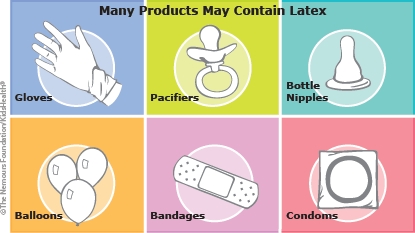
How do I avoid latex in my home? Read product labels carefully — look for "latex-free" on packaging. Instead of latex items, choose:
Who gets a latex allergy? Anyone can get a latex allergy. But it is more common in people who use latex products often (such as dentists, doctors, and nurses) and in kids who have been around latex products (such as kids who have had a lot of surgeries or medical procedures).
If my child gets only mild symptoms from latex, can they still get more serious symptoms? Yes, even a child who has had a mild reaction in the past can have anaphylaxis in the future. It’s very important to always be ready to treat anaphylaxis with epinephrine.

