Viral infections are caused by viruses, which are a type of germ. Kids with a viral infection can have different symptoms such as fever, stuffy or runny nose, sore throat, cough, ear pain, vomiting, diarrhea, or a rash.
Kids can feel pretty sick from a viral infection, but most start to feel better in a few days. Antibiotics won't help kids with a viral infection. Antibiotics work on bacteria, a different type of germ.
Here's how to keep your child comfortable as they heal from a viral infection.

Your child:
- Isn't drinking at all or has signs of dehydration (not enough water in the body), such as a dry or sticky mouth, sunken eyes, less pee or darker pee than usual, little or no tears when crying, or unusual sleepiness
- Has trouble breathing; signs include fast breathing, the muscles pulling in between the ribs, or the nose puffing out with each breath
- Gets a severe headache or a stiff neck, or seems confused
You know your child best. If they have symptoms that worry you or seem very sick, call your healthcare provider or take your child to the ER.

How do viral infections spread? Viruses spread from person-to-person. They can spread when a person with an infection coughs and/or sneezes the virus into the air and someone else breathes it in. They also can spread when someone touches the virus on another person or a hard surface (such as a doorknob), then touches their own eyes, nose, or mouth.
How can I keep the virus from spreading? Follow these tips:
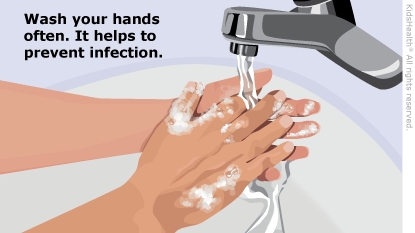
- Teach all family members to wash their hands well and often with soap and water. They should scrub for at least 20 seconds, rinse, and dry thoroughly. This is especially important after coughing or sneezing, and before and after eating. If soap and water aren't available, a hand sanitizer with at least 60% alcohol can be used.
- Teach your child to cover their mouth and nose with a tissue when they cough or sneeze, then throw the tissue away and wash their hands well afterward. If a tissue isn't available, they should sneeze into their upper sleeve or inner elbow, not their hands.
- Disinfect commonly touched surfaces daily, such as doorknobs, tabletops and other hard surfaces, light switches, and toys.
- Avoid sharing personal items, such as cups, utensils, towels, or toothbrushes.
- Remind your children and others in the home to avoid touching their face, especially their eyes, nose, and mouth.
Is there treatment for a viral infection? Antiviral medicines are available to treat some types of viruses. Antibiotics can't treat a viral infection because they only work against bacteria, not viruses.