
Someone with chest pain may feel discomfort, tightness, or burning in the chest area. Sometimes, the pain can get worse when taking a deep breath, moving, or coughing.
Your child had chest pain and was sent to a cardiologist (a doctor who specializes in problems with the heart) to be checked. The cardiologist did some testing and did not find a serious cause for your child's chest pain. You can now care for your child at home.

Follow the cardiologist's instructions for:

Your child:

Your child:

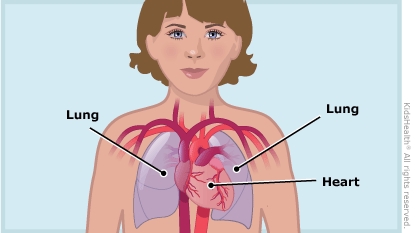
What types of tests do healthcare providers do for chest pain? First, a healthcare provider does an exam to check for soreness, injury, lung infection, or irregular heartbeat. Then they may do an electrocardiogram (ECG or EKG), which uses small sticky patches placed on the chest to check how the heart is beating. They may also do an echocardiogram (ultrasound of the heart) to check how well the heart and its parts are working. These tests are all painless. Sometimes other tests are needed.
What causes chest pain? Chest pain can happen from:
Sometimes, it's not clear what's causing chest pain. However, most of the time, chest pain in kids and teens isn't serious.

