
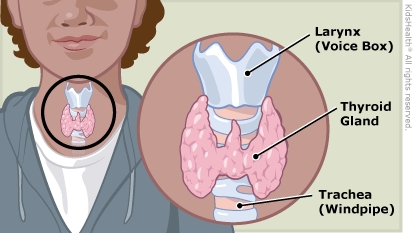
Hyperthyroidism happens when your child's thyroid gland (a small, butterfly-shaped gland in the neck) makes too much thyroid hormone. A hormone is a chemical messenger that carries instructions to different parts of the body, telling them what to do and when.
Symptoms may include shakiness, sweating, fast heartbeat, weight loss, trouble sleeping, restlessness or increased energy, irregular periods, bulging eyes, a swelling at the front of the neck (called a goiter), or mood swings.
Treatment with medicine taken by mouth every day can help your child live a normal, active life.

Follow your healthcare provider's instructions for:


Your child has symptoms of thyroid storm (a serious, life-threatening worsening of hyperthyroidism), such as:

What causes hyperthyroidism? The most common cause in kids is Grave disease. This happens when the immune (germ-fighting) system mistakenly attacks the thyroid gland and causes it to make too much thyroid hormone. Other causes include thyroid gland inflammation (swelling and irritation) and thyroid nodules (small growths).
What does thyroid hormone do? Thyroid hormone controls many things, including energy levels, metabolism (how the body burns energy), body temperature, thinking and mood, and how kids grow and develop.
Are there other treatments for hyperthyroidism? If your child still has hyperthyroidism after a few years of taking medicine or has problems taking the medicine, your healthcare provider may consider other treatments. Options include surgery and treatment with radioactive iodine (this decreases the amount of thyroid hormone that is made).
Will the medicine cause side effects? Most children take the medicine without any problems. Possible side effects include rash, upset stomach, or (rarely) effects on blood cells or the liver. Regular blood tests check for any problems in the blood cells or liver.
Can my child play sports and be active? When treatment first starts and thyroid hormone levels are still high, your child's heart may be working harder and they may need to take some time off from some sports or limit certain types of activities. Once the hormone levels are controlled, most children can participate in all sports and normal activities. Check with your healthcare provider if you have any questions about what sports are OK for your child.

